Last Updated: November 10, 2026
Quick Summary
Roof insurance under standard homeowners policies covers roof damage from sudden, accidental events, mainly wind, hail, and fire, and sometimes sudden water damage. Gradual wear and tear, age-related deterioration, neglect, and insect damage are typically excluded.
- Hail is the most common covered roof damage; check for dented gutters, cracked vents, and bruised shingle granules after storms.
- Roof leaks from a covered storm event usually qualify, while leaks from worn-out flashing usually do not.
- Age alone does not decide coverage; a 20-year-old roof damaged by a covered storm can still qualify.
- Actual cash value pays after depreciation, while replacement cost pays for new materials, often after repairs are completed.
Table of Contents
- Roof Damage Typically Covered by Homeowners Insurance
- Does Homeowners Insurance Cover Roof Leaks and Roof Replacement?
- Will Insurance Cover a 20-Year-Old Roof and How Replacement Cost Compares to Actual Cash Value
- Frequently Asked Questions
Roof Damage Typically Covered by Homeowners Insurance
Most standard homeowners policies cover roof damage caused by sudden, accidental events. Wind, hail, and fire are the most common covered causes. Some water damage may also be covered, depending on the policy.
According to Liberty Mutual’s guide to roofs and home insurance, standard policies may cover roof damage from wind, hail, fire, and certain types of water damage.
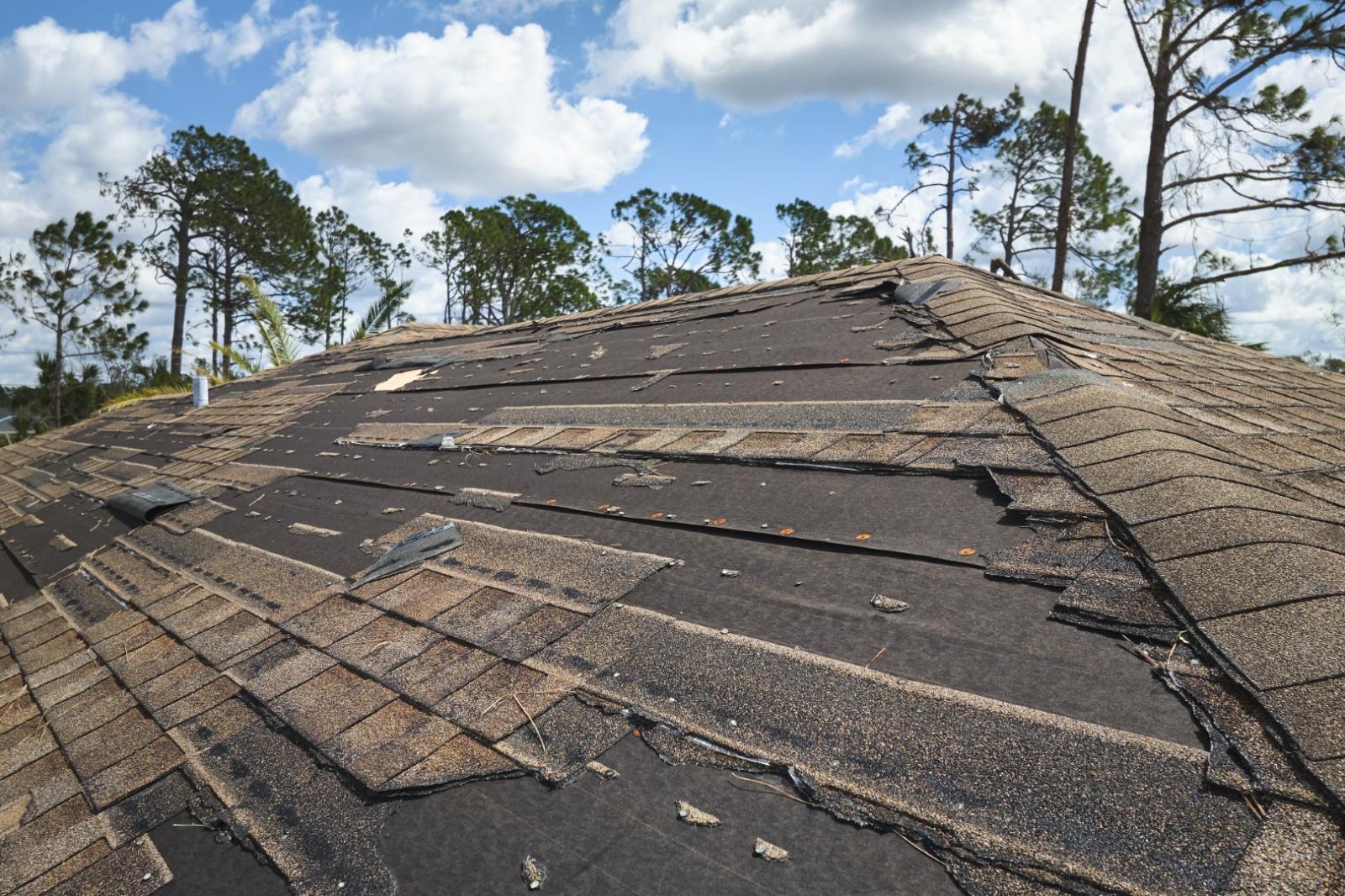
Common covered causes include: wind that lifts or tears shingles, hail that dents or cracks roofing materials, fire that burns part or all of the roof, and sudden water damage from a storm opening the roof.
Hail is the most common damage. After a storm, check for dented gutters, cracked vents, and bruised shingle granules.
The article lists the common causes of roof damage that standard homeowners policies typically cover.
| Covered cause | Typical damage | Note |
|---|---|---|
| Wind | Lifts or tears shingles | Sudden, accidental event |
| Hail | Dents or cracks roofing materials | Most common damage |
| Fire | Burns part or all of the roof | Covered under standard policies |
| Sudden water damage | Storm opening the roof | Depends on the policy |
Does Homeowners Insurance Cover Roof Leaks and Roof Replacement?
Roof leaks are covered when a covered event causes them under roof insurance. A leak from a storm-torn shingle usually qualifies. A leak from years of worn-out flashing usually does not.
Allstate says homeowners insurance may cover roof damage depending on what caused it. Allstate’s explanation of homeowners insurance and roof damage
Typically excluded: gradual wear and tear, age-related deterioration, lack of maintenance or neglect, and insect and termite damage.
Replacement coverage depends on the cause and extent of damage; a partial repair may be covered, while full replacement may only be covered if damage is widespread.
Will Insurance Cover a 20-Year-Old Roof and How Replacement Cost Compares to Actual Cash Value
Age alone does not decide coverage. A 20-year-old roof damaged by a covered storm can still qualify, though insurers may pay less due to depreciation.
Actual cash value pays the roof’s worth after depreciation. Replacement cost pays to replace the roof with new materials, usually after the homeowner completes the repair. Many policies start with actual cash value and pay the rest once work is done.
Atlanta Roof ProZ offers a free roof inspection and insurance claim support. Guide to filing a roof damage insurance claim
Frequently Asked Questions
Does homeowners insurance cover roof damage from hail?
In most cases, yes. Standard homeowners policies generally cover roof damage caused by sudden events such as hail and windstorms. Coverage depends on the specific policy, its deductible, and whether the damage is sudden and accidental. Damage from gradual wear, age, or lack of maintenance is typically excluded. After a storm, document the damage with dated photos, keep receipts for temporary repairs, and file the claim promptly with your insurer. A roof inspection can help establish the cause and extent of the damage before you submit paperwork.
What is the difference between replacement cost and actual cash value for a roof?
Replacement cost coverage pays what it costs to replace the roof with comparable materials at today’s prices, usually after you complete the work and pay your deductible. Actual cash value pays the replacement cost minus depreciation, which accounts for the roof’s age and condition. An older roof with actual cash value coverage may receive a much smaller payment than the full replacement price. Check your declarations page to see which settlement type your policy uses.
Will my insurance pay to replace an older roof?
Age alone does not disqualify a claim, but it affects how much you receive. A 20-year-old roof damaged by a covered storm may still be covered, though an actual cash value policy will deduct depreciation for its age. Some insurers may also require repairs instead of full replacement if only part of the roof is damaged. Atlanta Roof ProZ offers free inspections and insurance claim support. Contact us for a quote on your roof.
